Outdoor Kitchens and Patio Layouts That Feel Seamless
A good outdoor living space does not feel assembled piece landscape maintenance companies San Marino by piece. It feels like it was always meant to be there, as if the patio, the kitchen, the walkways, and the planting beds grew out of the same idea. That is especially true in San Marino and other San Gabriel Valley locations, where homes often sit on larger lots, mature trees matter, and the landscape has to work with a warm, sunny Mediterranean-type climate instead of fighting it.
When an outdoor kitchen feels seamless, the transition from house to yard is almost invisible. Doors open to a patio that makes sense, circulation is intuitive, and the materials look related rather than random. A grill island does not sit awkwardly in the middle of a lawn. A retaining wall does more than hold soil, it helps shape the room. Irrigation is not an afterthought buried under a design that ignores water use. Every part has a reason.
That is the real challenge with outdoor kitchens and patio layouts. They are not just amenities. They are spatial decisions. The best ones respect how people move, how the site drains, how much sun reaches the yard, and how the home itself was built. In neighborhoods where many homes date to the 1920s through the 1950s, and where the setting often leans toward estate-style and garden-focused design, the wrong hardscaping can look loud and out of place. The right one settles in quietly and improves everything around it.
Start with the way people actually use the yard
Before anyone talks about stone colors or grill brands, the layout has to answer a basic question, how will the space be used on an ordinary weeknight, and how will it perform when the whole family is outside for a gathering? That distinction matters. A patio that works for two people carrying dinner out from the kitchen can feel cramped and inefficient when six guests are moving around it. A design that looks generous on paper can become awkward if every path cuts through the cooking zone.
The most seamless layouts begin with circulation. People need to move from the back door to the seating area without weaving around a cooktop or bumping into a dining table. A guest should be able to arrive, set a drink down, and choose a seat without asking where to stand. That kind of ease usually comes from giving the patio enough breathing room and placing the outdoor kitchen at the edge of the main activity zone instead of dead center in it.
I have seen many patios improve simply by shifting the kitchen a few feet. That small move can preserve a clear path, keep smoke or heat away from primary seating, and allow the cooking area to connect naturally to serving space. It is the same logic behind a good indoor kitchen layout. You do not want to cross the room for every task. Outside, that principle is even more important because the space must also handle weather, glare, and uneven ground.
Let the architecture and the lot shape the design
San Marino has a residential character that rewards restraint and thoughtful proportions. Many homes in the area were built during a period when lot size, mature landscaping, and a sense of permanence mattered. That does not mean every yard should mimic a historic garden. It does mean the hardscaping should look like it belongs with the house, not like a separate product dropped into the backyard.
On flatter sites, the challenge is usually scale. A paver patio that is too small can make the whole yard feel undersized, while one that is too large can strip away planting space and make the setting feel hard. On sloped sites, the challenge changes. Here, retaining walls often become part of the solution, not just a necessity. They can create level zones for dining, cooking, or lounging, and they can reduce the visual chaos that comes from trying to force one flat surface across a hillside.
That is where seamless design really shows its value. A retaining wall can be used to step the yard gently, creating distinct rooms without making them feel chopped up. A low wall can double as seating. A higher wall can form the back edge of a kitchen terrace. When those elements use the same material family as the patio, they stop reading as separate structures and start reading as one landscape language.
The best projects in hilly estate settings often preserve mature trees instead of trying to clear everything out. That choice shapes the layout from the beginning. Tree trunks, canopies, and root zones become design constraints, but they also provide shade and character that no new planting can match in the short term. A well-placed patio under mature cover can feel far more comfortable in summer than one built in open sun.
Paver patios do more than provide a surface
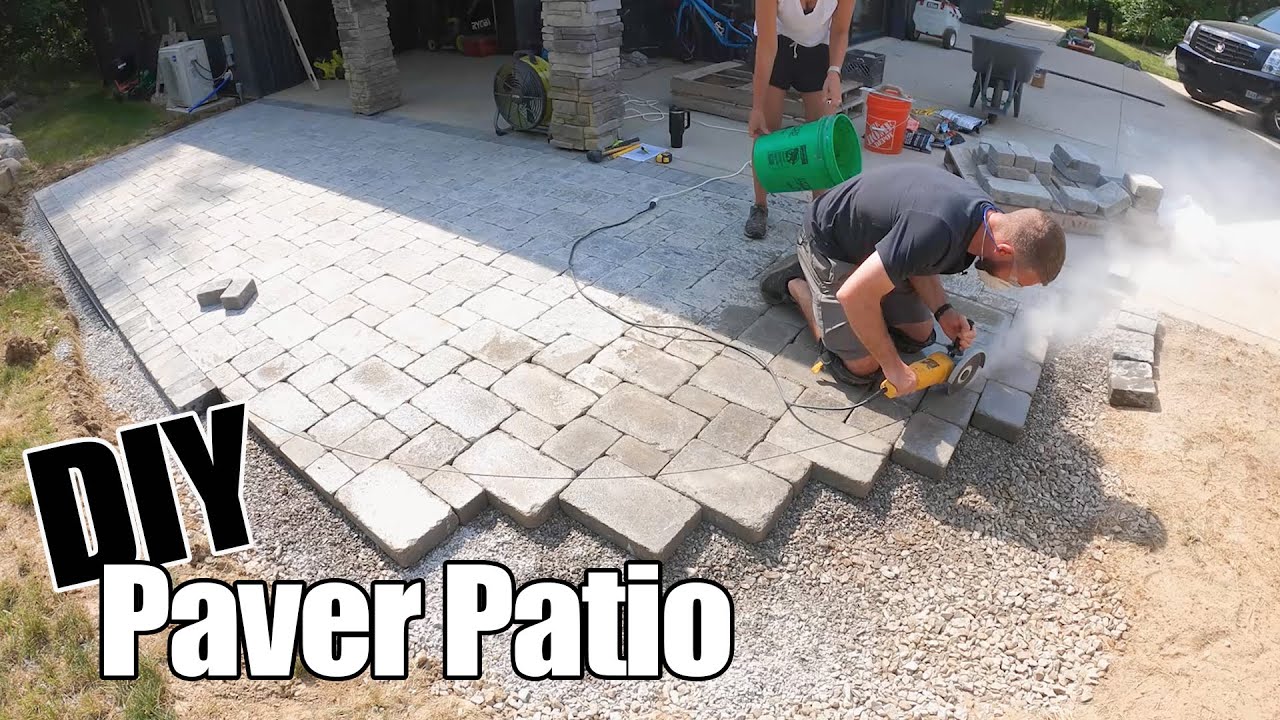
A patio should not just be durable. It should set the tone for the whole outdoor experience. Paver patios are often the best fit when the goal is to create a space that feels finished without looking overly rigid. They handle movement in the ground better than a monolithic slab, and they offer more control over color, texture, and edge detail.
That matters in San Gabriel Valley landscapes, where heat and sun can be relentless for much of the year. Some surfaces age gracefully in that environment, while others show wear quickly or become unpleasant underfoot. A paver surface can be selected to reduce glare, complement the home’s exterior, and connect visually with adjacent hardscaping, paths, and wall caps. The key is not to overcomplicate the palette. Too many tones make the space look broken into fragments. A restrained combination usually works better.
A seamless patio layout often uses more than one surface, but not in a way that feels decorative for its own sake. A main dining area may use one paver pattern, while a narrow band or border helps define the kitchen zone or transition toward the garden. That kind of subtle variation can guide movement without shouting for attention. It also makes the outdoor room feel deliberate, which matters when the space has to balance cooking, seating, and circulation.

Drainage has to be part of that conversation from the beginning. On a large lot, water may move in ways that are not obvious until the first serious storm or irrigation cycle. Patio elevations, slopes, and drain points need to work together so that the surface does not trap water near the house or push runoff toward planting beds in a destructive way. Seamless design is not only about appearance, it is about how the yard behaves when conditions change.
Outdoor kitchens should feel connected to the home, not pasted on
The outdoor kitchen is usually the most visible sign that a backyard has become a true living space. It can also become the most awkward element if it is poorly placed. A grill island parked too far from the house creates unnecessary trips back and forth. A kitchen squeezed into the middle of a seating area interrupts conversation and makes traffic feel cluttered. A proper design treats the kitchen as part of the flow of the patio, not as a separate attraction.
The most successful outdoor kitchens tend to sit where they can support both cooking and serving with minimal disruption. That might mean a location close enough to the house for convenience, but far enough out that heat, smoke, and noise do not overwhelm the dining area. It might mean placing the kitchen along one edge of the patio, so the cooking surface stays accessible while the center remains open for tables and movement.
Material continuity matters here as well. If the patio uses one family of pavers or stone, the kitchen base should not fight it with a jarring texture or color. Countertops, wall cladding, and trim should feel chosen from the same visual vocabulary. In a refined setting, the best compliment is that the kitchen looks like it belongs to the landscape architecture, not the catalog.
Function matters just as much as appearance. Think about prep space, landing space, and the route back to the indoor kitchen. A generous counter next to the grill is worth more than ornamental extras that rarely get used. Storage should be practical. If the area is too exposed, wind and sun can make cooking less comfortable, especially during long afternoons. A modest amount of shade, careful orientation, and some shelter from reflected heat can make the difference between a feature that gets used weekly and one that looks good but sits idle.
Water efficiency should shape the plan, not limit it
Any outdoor project in this region has to account for water, and that includes the hardscape. California’s water-efficient landscape rules and local conservation programs make water use a design issue, not just a maintenance issue. That does not mean a beautiful yard has to look sparse or sterile. It means the planting scheme, irrigation layout, and surface choices should be intentional.
A seamless patio layout works better when the surrounding landscape supports it with efficient irrigation and planting that suits the climate. In a warm Mediterranean-type setting, it makes sense to think carefully about what needs regular water and what can thrive with less. That is especially relevant where municipalities and water agencies continue to emphasize conservation and landscape transformation. A well-planned yard can still feel lush, but the lushness should come from structure, shade, and plant selection, not from waste.
Irrigation should be designed around the actual layout, not patched in after the fact. Overspray onto patios wastes water and stains hardscape over time. Uneven coverage leads to stressed plantings and muddy or dry patches that interrupt the visual line of the yard. When irrigation is coordinated with planting zones, patio edges stay cleaner, the landscape establishes more evenly, and maintenance becomes simpler.
There is also a practical benefit to thinking this way early. If the yard includes a kitchen terrace, seating zone, and adjacent planting beds, each area can have different water needs. The planting near a dining space may need to be more restrained and tidy, while more distant areas can carry the softer, greener parts of the design. That kind of layering helps the hardscape feel integrated instead of isolated.
Small details make the biggest difference at the edges
People often focus on the center of the patio, but the edges do much of the work. A seamless outdoor living space is usually defined by the transitions, the step from interior flooring to exterior pavers, the line where the patio meets the planting bed, the place where a retaining wall turns into a seat wall, or the point where a path bends toward another part of the yard.
Those transitions deserve careful design. A poorly handled edge can make even expensive materials feel unfinished. A clean border can make a modest project look thoughtful. In San Marino and similar San Gabriel Valley locations, where mature trees, established homes, and varied lot conditions are common, edges also help preserve the sense of calm. They prevent the space from looking busy.
Lighting is one of the easiest ways to strengthen those edges. It does not need to be dramatic to be effective. Low, well-placed light can make a patio safer after dark, outline steps or changes in grade, and make the outdoor kitchen usable in the evening without turning the yard into a spotlighted stage. Subtle lighting tends to suit historic and garden-oriented settings better than harsh fixtures. It should support the architecture, not compete with it.
A good edge design also accounts for maintenance. If planting beds spill over onto the patio, or if the border between lawn and hardscape is fuzzy, the space will never feel fully finished. Trim lines, mulch transitions, and material junctions should all be simple enough to maintain without constant correction. The more effortless the upkeep, the longer the yard will continue to feel seamless.
When lawn alternatives make sense, they should support the whole composition
Not every yard needs a broad stretch of turf. In a climate where water efficiency matters, lawn alternatives can create breathing room without sacrificing usability. Artificial turf may make sense in certain play or dog areas. Groundcovers, decomposed stone, or planting beds may work better in others. The right choice depends on how the yard is used and how much water and maintenance the owner wants to commit to.
The mistake is to treat lawn alternatives as a replacement for design rather than a design decision. A yard with too much hard surface and no softening elements can feel exposed. A yard with too much lawn can strain water use and create more upkeep than the space justifies. The best outdoor kitchen and patio layouts use the planting zones to frame the hardscape, soften walls, and guide the eye toward focal points.
This is where a mature landscape approach pays off. Even a relatively simple hardscape can feel elegant when it is surrounded by healthy structure, layered planting, and clear circulation. In neighborhoods near landmarks like the Huntington Library, Lacy Park, or the Old Mill, that quieter, garden-minded approach often suits the local character better than a flashy one.
A seamless project is really a series of careful trade-offs
The most polished outdoor spaces are not the ones with the most features. They are the ones where every feature has been weighed against the lot, the climate, the architecture, and the way the owners actually live. A retaining wall might be the best way to flatten a slope, but it should not dominate the yard. A large kitchen might seem ideal, but if it consumes all the patio circulation, it becomes a problem. A broad paver patio may be beautiful, but if it overheats or overwhelms the planting area, it will not feel comfortable for long.
That judgment is what separates a standard hardscaping project from a landscape that feels composed. It is also why these projects benefit from a clear plan at the beginning. Once concrete is poured or pavers are set, it becomes much harder to correct a layout mistake. The time to think about the line of travel from the back door to the grill, the drainage path after watering, the amount of shade under existing trees, and the relationship between outdoor kitchens and seating is before the work begins.
A few practical questions tend to reveal whether a plan is headed in the right direction:
Does the patio fit the way people move through the space, or does it force awkward detours? Does the kitchen sit where it can actually be used comfortably? Are retaining walls solving a slope issue while also shaping the room? Is irrigation designed to protect both the planting and the hardscape? Do the materials relate to the home and the neighborhood, or do they stand apart from them?
When those questions are answered well, the result is not just attractive. It feels calm. It feels easy to live with. And it tends to age better, which matters in a region where homes and landscapes are expected to carry their character for decades.
The strongest outdoor kitchens and patio layouts do not announce themselves. They simply make the whole backyard work better. In a place like San Marino, where the setting invites refinement, mature trees, and a careful relationship between house and garden, that kind of restraint is not plain. It is what makes the space feel complete.
Business Name: Ridgeline Outdoor Living
Address: 845 E Walnut St, Pasadena, CA 91101, United States
Phone: (626) 469-5822
Ridgeline Outdoor Living
Ridgeline Outdoor Living is a Pasadena-based landscape design-build company serving Greater Los Angeles with custom outdoor living, hardscape, and drought-tolerant landscape solutions. The company specializes in patios, retaining walls, outdoor kitchens, drainage, hillside projects, and turnkey landscape construction, handling projects from design and permitting through final build and warranty.
845 E Walnut St, Pasadena, CA 91101, USA
Business Hours:
- Monday – Saturday: 8:00 AM – 6:00 PM
- Sunday: Closed
Follow Us:
Our Local Sponsor
Business Name: Ridgeline Outdoor Living
Address: 845 E Walnut St, Pasadena, CA 91101, United States
Phone: (626) 469-5822
Ridgeline Outdoor Living
Ridgeline Outdoor Living is a Pasadena-based landscape design-build company serving Greater Los Angeles with custom outdoor living, hardscape, and drought-tolerant landscape solutions. The company specializes in patios, retaining walls, outdoor kitchens, drainage, hillside projects, and turnkey landscape construction, handling projects from design and permitting through final build and warranty.
845 E Walnut St, Pasadena, CA 91101, USA
Business Hours:
- Monday – Saturday: 8:00 AM – 6:00 PM
- Sunday: Closed
Follow Us: